Midterm elections impact on financial markets and economy
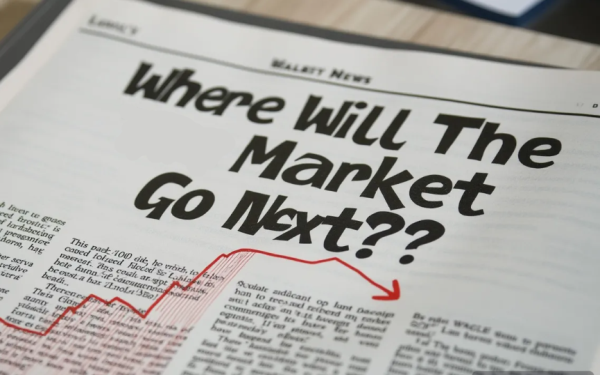
The midterm elections are over and investors want to know what comes next for financial markets. T. Rowe Price shared new insights on how policy changes will impact the economy and your money. Here is what you need to know about the future of the market today.
What is next for financial markets after midterms?
Election results often change how the stock market behaves for months. Investors usually dislike uncertainty, so having clear election results can help markets settle down. T. Rowe Price points out that policy decisions after midterms play a huge role in where prices go next.
When new leaders take office, they bring new ideas about spending and tax rules. These changes can affect big companies and small businesses alike. Keeping an eye on these policy moves helps regular people make smarter choices with their personal savings.
How election results change the general economy
Government policies directly touch everyday economic life. Decisions made after an election can change inflation rates, job growth, and interest rates. A shift in power might mean new rules for energy, technology, or healthcare companies.
The overall economy relies on how Washington handles budget choices and trade agreements. When the government changes its focus, whole industries can grow or shrink. That is why experts track economic policy so closely right after a major vote.
How policy choices impact your personal bank account
You might wonder how distant policy news affects your daily life. Changes in financial markets often shift the value of retirement funds and home loans. Understanding these trends gives you a better chance to protect your hard-earned money.
Here are a few areas where government policy can hit home for normal families:
- Retirement funds: Stock market trends change the size of your nest egg over time.
- Borrowing costs: Economic rules influence the interest rates on credit cards and mortgages.
- Job security: Broader economic growth shapes hiring trends across different fields.
Staying informed lets you adjust your budget before big economic shifts happen. You do not need to be a wall street expert to take basic steps with your cash.
What to watch for in financial markets next
The next few months will show which proposed policies actually become real laws. Analysts will watch every new bill to see how it affects major business sectors. Market volatility might go up or down as these legislative details become clear.
Smart investors focus on long-term goals instead of reacting to daily news headlines. While short-term movements are normal after elections, steady plans usually win out. Watching how financial markets react today gives you a good map for tomorrow.


Comments
Post a Comment